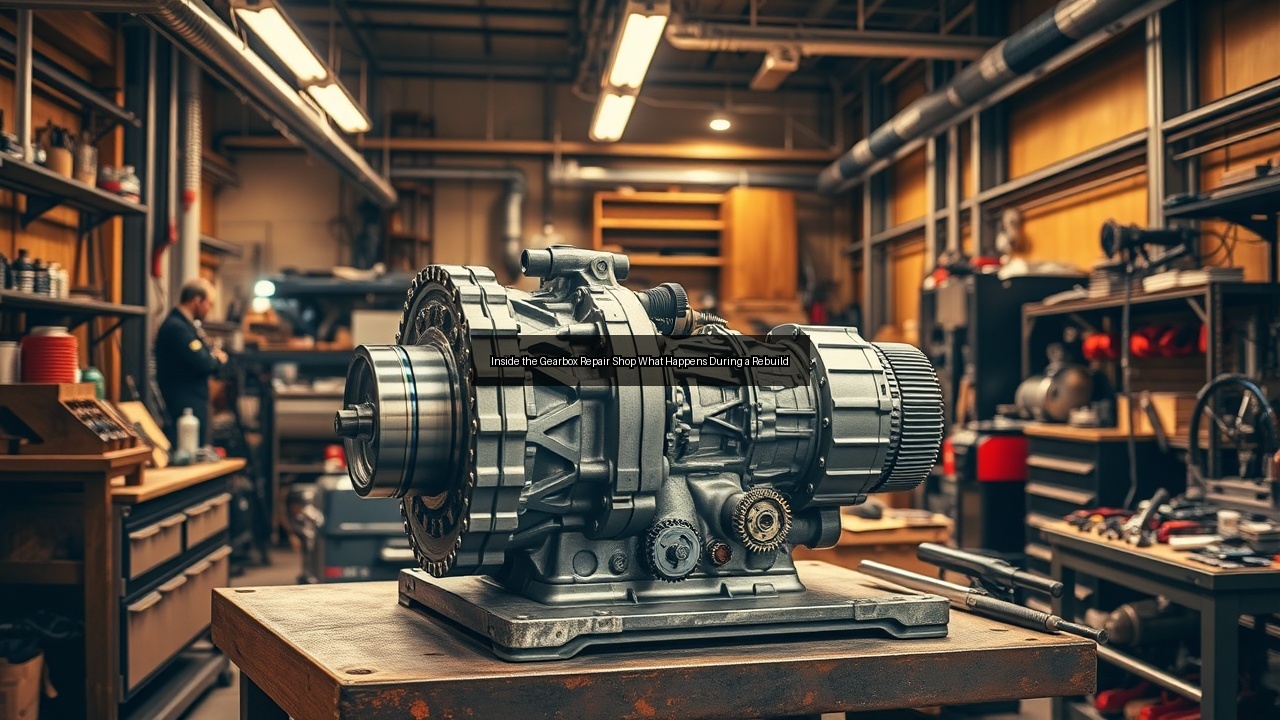
Inside the Gearbox Repair Shop What Happens During a Rebuild
Understanding Gearbox Rebuilds
What Is a Gearbox Rebuild?
A gearbox rebuild restores a failing transmission or gear box to full operating condition through systematic disassembly, component replacement, and reassembly. Technicians address worn gears, bearings, and seals while correcting misalignment that caused the original failure. This process differs from a simple overhaul because it targets root cause issues rather than surface symptoms. Shops perform failure analysis first so the rebuilt gearbox withstands the same forces that damaged the original unit. The result delivers extended service life and improved efficiency across industrial and automotive applications. Gearbox rebuild services often include reverse engineering when obsolete parts are unavailable, ensuring compatibility with legacy equipment.
Common Reasons for Gearbox Repairs
Excessive vibration, unusual noise, and overheating signal the need for gearbox repairs. Contaminated lubrication accelerates wear on gears and bearings, leading to premature failures in reduction gearboxes. Overloading, improper installation, and neglected preventative maintenance also contribute to breakdowns. Operators frequently encounter chipped teeth, pitted surfaces, and cracked housings after prolonged operation under heavy loads. Identifying these patterns early allows repair companies to intervene before complete transmission failure occurs. Regular inspection reveals lubrication breakdown and alignment errors that shorten gearbox life.
The Importance of Preventative Maintenance
Preventative maintenance schedules reduce unplanned downtime by catching wear before it escalates into major gearbox failures. Technicians check oil levels, analyze lubricant samples, and verify gear alignment during routine visits. This approach extends the interval between full gearbox rebuilds and lowers overall repair costs. Companies that adopt consistent maintenance programs report fewer emergency calls and higher equipment availability. Monitoring temperature trends and vibration signatures provides early warning of developing problems in both standard gearboxes and specialized reduction gearboxes.
The Gearbox Rebuilding Process
Initial Inspection and Failure Analysis
Every gearbox rebuild begins with thorough inspection and detailed failure analysis. Technicians measure gear backlash, check bearing clearances, and document surface damage across all components. Root cause identification guides the repair strategy and prevents repeat failures after reassembly. Shops use borescopes and magnetic particle testing to reveal hidden cracks that visual checks miss. This stage determines whether machining can salvage parts or if full replacement becomes necessary. Accurate diagnosis directly influences both cost and turnaround time for the customer.
Disassembly of the Gearbox
Disassembly proceeds methodically with labeled parts and photographic records to ensure correct reassembly. Workers separate the gear box housing, extract shafts, and isolate each gear set for individual assessment. Careful handling prevents additional damage during removal of tightly fitted components. Technicians note wear patterns on teeth and journals that reveal operational stresses. Clean workspaces and organized staging areas support efficient workflow throughout the gearbox rebuilding process. This organized approach minimizes errors when the unit returns to service.
Machining and Repair of Components
Machining restores critical dimensions on shafts, housings, and gear faces that have suffered wear. Precision equipment removes damaged material while maintaining original tolerances required for smooth operation. Welding and metal spraying rebuild worn journals before final grinding returns surfaces to specification. These techniques often cost less than new parts and shorten lead times for the gearbox rebuild. Skilled machinists verify concentricity and surface finish after every operation to guarantee proper meshing of gears once the unit is reassembled.
Reverse Engineering for Obsolete Parts
Reverse engineering creates replacement components when original manufacturers no longer supply parts for older gearboxes. Technicians scan existing pieces, generate CAD models, and produce new gears or housings through CNC machining. This capability keeps legacy equipment running without expensive complete replacements. Material selection matches or exceeds original specifications to handle operational forces. Shops that master reverse engineering deliver gearbox repair services for brands and models long discontinued by their makers.
Key Components and Their Roles
Understanding Gears and Their Functions
Gears transmit torque and control speed ratios within the gearbox. Helical, spur, and planetary configurations each serve distinct applications based on load and efficiency requirements. Tooth profile accuracy determines how smoothly power flows through the transmission. Worn or misaligned gearing produces noise, vibration, and eventual failure. During a gearbox rebuild, technicians inspect every tooth for pitting, spalling, and fatigue cracks. Proper gear selection and installation directly affect the long-term reliability of the repaired unit.
The Role of Lubrication in Gearbox Efficiency
Lubrication reduces friction between moving parts and carries away heat generated during operation. Correct oil viscosity and additive packages protect gears and bearings under varying loads. Contaminated or degraded lubricant accelerates wear and shortens intervals between gearbox rebuilds. Technicians flush systems, replace filters, and select new oils matched to operating conditions. Effective lubrication programs improve overall efficiency and reduce energy consumption across industrial gearboxes and reduction gearboxes alike.
Reduction Gearboxes: A Special Case
Reduction gearboxes convert high-speed input into lower-speed, higher-torque output for heavy machinery. Their design places extreme loads on gear teeth and bearings, making robust construction essential. Repair shops pay special attention to housing rigidity and shaft alignment during rebuilds of these units. Overheating and lubricant breakdown occur faster under sustained high torque, requiring upgraded cooling or synthetic oils. Successful reduction gearbox repairs restore original performance while addressing the unique stresses these units encounter daily.
Cost Factors in Gearbox Rebuilds
Breakdown of Costs: Parts and Labor
Parts and labor form the largest portions of gearbox rebuild costs. New gears, bearings, and seals add up quickly, while skilled technician hours drive labor charges. Machining time for worn components can either reduce or increase total expenses depending on part availability. Transparent quotes itemize each element so customers understand the investment required for a durable repair. Comparing these costs against new gearbox prices helps operators decide between rebuild and replacement options.
Warranty Considerations for Gearbox Repairs
Warranty coverage protects customers against defects in workmanship and materials after the gearbox returns to service. Reputable repair companies offer terms ranging from six months to two years depending on the scope of work performed. Clear warranty language specifies what failures it covers and excludes damage from misuse or improper installation. Customers should review these details before authorizing a gearbox rebuild to avoid unexpected expenses later. Strong warranties reflect in the repair company and the quality of its processes.
Minimizing Downtime Through Efficient Repairs
Fast turnaround reduces production losses caused by gearbox failures. Shops that stock common parts and maintain in-house machining capabilities complete rebuilds quicker than those relying on external suppliers. Coordinated scheduling with the customer allows planned outages instead of emergency shutdowns. Efficient project management keeps labor focused and prevents bottlenecks during disassembly and reassembly. Reduced downtime directly improves return on investment for every gearbox repair project.
Choosing the Right Gearbox Repair Shop
Evaluating Repair Services and Brands
Repair services differ widely in capabilities, equipment, and specialization. Customers should verify that a shop handles the specific gearbox brands and models in their fleet. Experience with both standard transmissions and specialized reduction gearboxes indicates broader expertise. References from similar industries provide evidence of consistent quality. Facilities that invest in modern inspection and machining tools deliver more reliable gearbox rebuild outcomes than those using outdated methods.
Assessing Experience and Expertise
Years of hands-on work with diverse gearbox failures build practical expertise that training alone cannot replace. Technicians who routinely perform failure analysis and reverse engineering bring deeper insight to each project. Certifications and manufacturer approvals further demonstrate technical competence. Shops that document successful repairs across multiple industries show adaptability and depth. This accumulated knowledge leads to faster diagnosis and longer-lasting gearbox repairs.
Questions to Ask Your Repair Company
Ask about typical turnaround times, parts sourcing strategies, and warranty terms before committing to a gearbox rebuild. Inquire how the company performs root cause analysis and whether it offers preventative maintenance programs. Request case studies involving similar equipment to gauge relevant experience. Clarify communication protocols during the repair so updates arrive promptly. These questions reveal the repair company’s professionalism and commitment to customer satisfaction.